
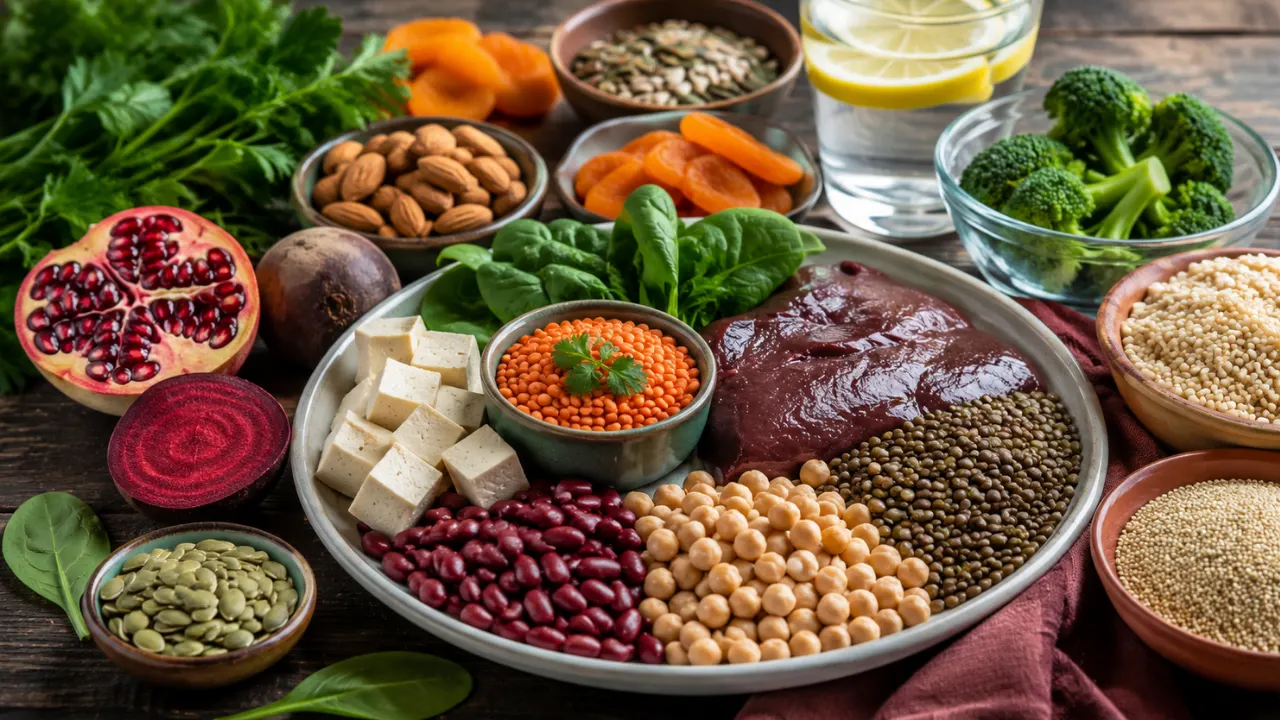

Foods that help increase hemoglobin provide iron, vitamin B12, folate, protein and other nutrients needed to produce healthy red blood cells. Diet can help when a nutritional deficiency contributes to low hemoglobin but it cannot treat every form of anemia.
People searching for foods that help increase blood usually mean foods that support hemoglobin and red blood-cell production.
The most useful approach is to eat dependable iron sources, combine plant-based iron with vitamin C and keep tea or coffee away from iron-rich meals. A blood test is still necessary to confirm low hemoglobin and investigate its cause.
What Does “Increasing Blood” Actually Mean?
Hemoglobin is an iron-containing protein inside red blood cells. It carries oxygen from the lungs to the body’s organs and tissues.
When hemoglobin becomes too low, the blood cannot carry oxygen as efficiently. This may cause tiredness, weakness, dizziness, pale skin, breathlessness or a fast heartbeat.
These symptoms are not specific to anemia. A blood test can confirm whether hemoglobin is low, while additional tests may be needed to identify iron deficiency, vitamin B12 deficiency, blood loss or another cause.
Iron deficiency is common, but anemia can also result from folate deficiency, poor nutrient absorption, heavy menstrual bleeding, pregnancy, infection, inflammation, chronic disease or inherited blood disorders.
Lemon is an easy way to add vitamin C to a plant-based iron meal. Squeezing it over dal, chana, rajma or leafy vegetables is more relevant for iron absorption than drinking it separately on an empty stomach. A glass of lemon water in the morning can support hydration, but it should not replace iron-rich food or be treated as a remedy for low hemoglobin.
Can Food Raise Low Hemoglobin?
Food can support hemoglobin production when the body does not receive enough iron, vitamin B12, folate or overall nutrition.
The effect depends on the cause and severity of the problem. Someone with low dietary iron intake may benefit from better food choices, while a person with significant anemia or ongoing blood loss may require medical treatment.
Food does not raise hemoglobin immediately. The body needs time to absorb nutrients and produce new red blood cells.
A single glass of beetroot juice, serving of pomegranate or spoonful of jaggery cannot quickly correct low hemoglobin.
Do not start high-dose iron supplements only because tiredness or dizziness is present. Excess iron can cause harm, and iron will not treat anemia caused by vitamin B12 deficiency, chronic disease or an inherited condition.
Which Foods Provide the Most Useful Iron?
Dietary iron appears in two main forms: heme and non-heme iron.
Meat, seafood and poultry provide heme iron as well as some non-heme iron. The body generally absorbs heme iron more efficiently.
Plant foods and iron-fortified foods provide non-heme iron. Its absorption depends more heavily on the other foods and drinks consumed with the meal.
Stronger Animal Sources of Iron
Useful choices include:
- Meat
- Fish
- Shellfish
- Poultry
- Selected organ meats
These foods can provide iron along with protein and vitamin B12.
Organ meats such as liver contain concentrated nutrients, but they are not suitable for frequent consumption by everyone. Pregnant people and those with specific health conditions should seek professional advice before eating liver regularly.
Eggs provide protein, vitamin B12 and a modest amount of iron. They can contribute to a balanced diet but should not be presented as one of the strongest iron sources.
Which Vegetarian Foods Support Hemoglobin?
Useful vegetarian iron sources include:
- Lentils and dals
- Chickpeas and chana
- Rajma and other beans
- Soybeans, tofu and tempeh
- Iron-fortified cereals or flour
- Pumpkin seeds and sesame seeds
- Amaranth leaves and other leafy vegetables
- Peanuts and selected nuts
- Ragi, millets and whole grains
Lentils, beans and soy foods provide a practical combination of iron, protein and other nutrients.
Plant iron is generally less readily absorbed than heme iron. People who rely mainly on plant foods should include iron sources regularly and combine them with vitamin C-rich foods.
Fortification varies between products. Check the nutrition label rather than assuming every breakfast cereal, flour or plant milk contains added iron or vitamin B12.
Soaking, sprouting and fermenting grains or legumes may reduce some compounds that bind minerals. These preparation methods can support iron intake, but they do not replace a varied diet.
How Does Vitamin C Improve Iron Absorption?
Vitamin C helps the body absorb non-heme iron from plant foods.
The benefit is greatest when a vitamin C-rich food appears in the same meal as the iron source.
Useful combinations include:
- Dal with lemon juice
- Rajma cooked with tomatoes
- Chana salad with amla or lemon
- Tofu with broccoli or capsicum
- Leafy vegetables with tomatoes
- Iron-fortified cereal with guava or orange
- Besan chilla with tomato and capsicum
A large glass of sweetened juice is not necessary. A serving of amla, guava, citrus fruit, tomatoes, broccoli or capsicum can provide vitamin C.
Vitamin C can improve iron absorption, but it cannot guarantee that hemoglobin will rise. The body still needs enough iron, and any underlying medical cause must receive appropriate treatment.
Do Beetroot, Pomegranate and Jaggery Increase Blood?
Beetroot, pomegranate, jaggery, dates and raisins can form part of a balanced diet, but they should not be treated as cures for low hemoglobin.
Beetroot provides folate and other plant nutrients. Pomegranate can add fruit and variety to a meal.
Dates and raisins provide energy and small amounts of iron, but their sugar content and modest iron contribution make them supporting foods rather than treatments.
Jaggery may contain some iron, but the amount varies. It also contains a large amount of sugar, so eating more jaggery is not a dependable way to correct iron-deficiency anemia.
Beetroot and pomegranate do not directly “make blood.”
They do not supply enough absorbable iron to replace lentils, beans, fortified foods, meat, seafood or medically advised treatment.
Use them as additions to a balanced diet rather than the centre of a hemoglobin-raising plan.
Which Foods and Drinks Can Reduce Iron Absorption?
Tea, coffee and cocoa contain compounds that can reduce non-heme iron absorption when consumed with iron-rich food.
People trying to improve iron intake can have these drinks between meals rather than with the meal.
This does not mean tea or coffee must be stopped completely. Timing them away from the main iron-rich meal is usually more practical.
Calcium may reduce iron absorption in some circumstances. People taking separate calcium and iron supplements are often advised to take them at different times, following guidance from a clinician or pharmacist.
There is no need to remove milk, curd or other calcium-containing foods from the diet without professional advice.
Whole grains, beans and seeds contain phytates that can bind some iron. However, these foods also provide iron, protein, fibre and other nutrients.
A varied diet, vitamin C-rich combinations and preparation methods such as soaking or fermentation can help make plant foods more useful.
Why Are Vitamin B12 and Folate Important?
The body needs vitamin B12 and folate to produce healthy red blood cells.
Vitamin B12 occurs naturally mainly in animal-derived foods, including:
- Fish
- Meat
- Poultry
- Eggs
- Milk
- Curd
- Cheese
People who avoid animal foods can use dependable fortified products such as selected breakfast cereals, fortified plant milks or fortified nutritional yeast.
Plant foods do not naturally provide reliable amounts of vitamin B12 unless they have been fortified. Check the nutrition label because fortification varies.
Sunlight does not provide vitamin B12. It helps the body produce vitamin D.
Vegans, some vegetarians, older adults and people with digestive or absorption problems may need testing and professionally recommended supplementation.
Persistent tiredness, numbness, tingling or balance problems can have several causes, but they may warrant medical evaluation and vitamin B12 testing.
Useful folate sources include:
- Lentils
- Chickpeas and beans
- Peas
- Leafy vegetables
- Citrus fruits
- Fortified grains
Iron, vitamin B12 and folate deficiencies can cause different forms of anemia. Treating one nutrient deficiency will not automatically correct another.
Simple Indian Iron-Rich Meal Combinations
A useful meal needs a dependable iron source and a combination that supports absorption.
Breakfast
Choose besan chilla with tomato, capsicum and lemon or chana and peanut poha with lemon.
Iron-fortified cereal with guava or orange can also work when the label confirms that the product contains added iron.
Eggs can provide protein and vitamin B12, but pair them with chana, beans or another iron-containing food when iron is the main concern.
Lunch
Combine dal, rajma or chana with rice or roti and a vitamin C-rich vegetable.
Add tomatoes, capsicum, lemon or amla to support the absorption of plant-based iron.
Snack
Pair roasted chana, peanuts, pumpkin seeds or sesame-based foods with guava, amla, orange or another vitamin C-rich fruit.
Fruit alone can provide useful nutrients, but combining it with an iron-containing food creates a more relevant snack for this goal.
Dinner
Use lentils, beans, tofu, fish, chicken or meat as the main protein source.
Add vegetables and a vitamin C-rich ingredient when the meal depends mainly on plant iron.
No single food supplies every nutrient needed for healthy red blood cells. Regular variety matters more than relying on one traditional remedy.
When Is Food Not Enough for Low Hemoglobin?
Food alone may not correct anemia caused by:
- Heavy or prolonged menstrual bleeding
- Internal bleeding
- Pregnancy-related nutritional needs
- Infection or inflammation
- Chronic kidney or digestive disease
- Poor nutrient absorption
- Inherited blood disorders
- Significant iron, vitamin B12 or folate deficiency
A clinician may recommend a complete blood count and additional tests for iron stores, vitamin B12, folate, blood loss or other possible causes.
Seek medical evaluation for persistent tiredness, weakness, breathlessness, dizziness, fainting, pale skin, a rapid heartbeat or a reduced ability to perform normal activities.
Seek urgent medical help for severe breathlessness, chest pain, fainting, confusion, a very rapid heartbeat or signs of active bleeding.
Pregnant people, young children and anyone with heavy menstrual bleeding should not rely only on dietary changes when anemia is suspected.
Confirmed iron-deficiency anemia may require iron treatment in addition to dietary changes, depending on its severity and cause.
People who have been prescribed iron–folic acid during pregnancy, childhood, adolescence or another stage should follow that guidance rather than replacing the supplement with food remedies.
The safest approach is to confirm whether hemoglobin is low, identify the cause and combine the required treatment with a diet that provides dependable iron, vitamin B12 and folate.
Medical note: This article provides general nutrition information. It cannot diagnose the cause of low hemoglobin or replace advice based on blood-test results.

2 thoughts on “Best Foods for Low Hemoglobin and Better Iron Intake”