
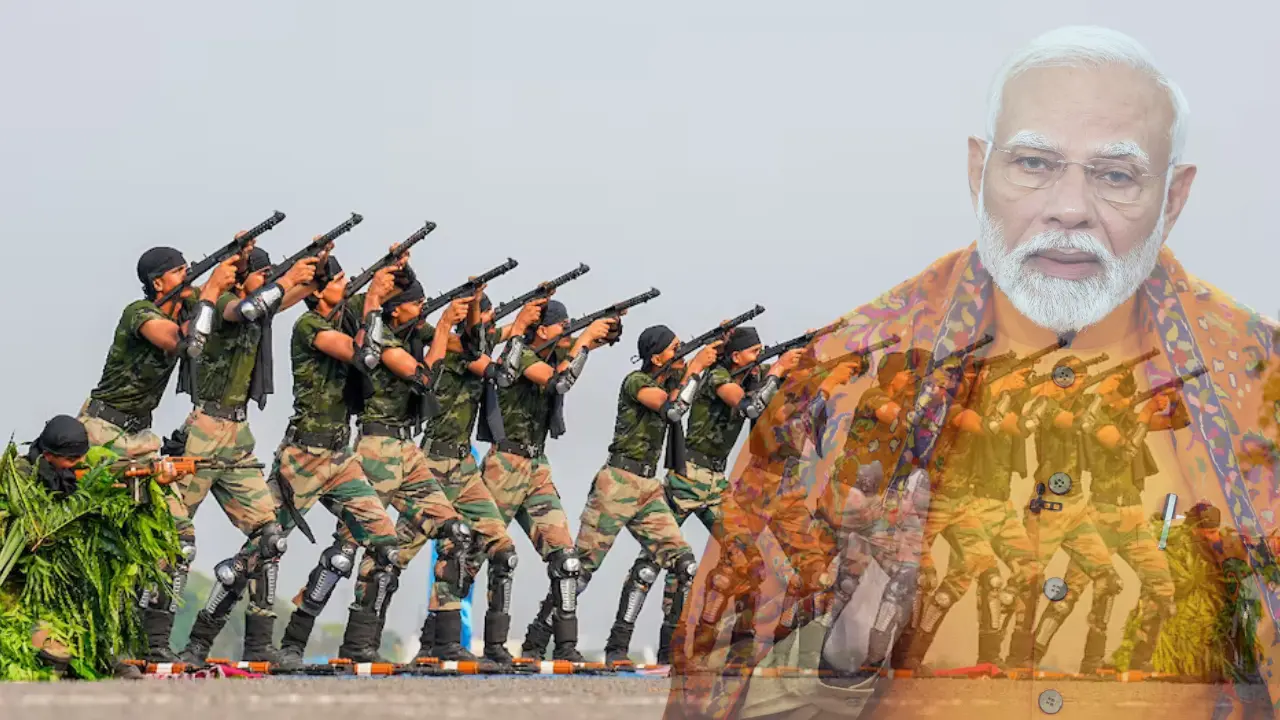

The Agneepath Scheme, officially called the Agnipath Scheme, is a recruitment system for young Indians who want to serve in the Indian Armed Forces for a fixed period of four years. The candidates selected under this scheme are known as Agniveers, and they can serve in the Army, Navy, or Air Force depending on their eligibility, vacancy, and selection process. The Union Cabinet approved the scheme on 14 June 2022, and the government described it as a major reform in the recruitment policy of the three services.
This scheme has remained one of the most discussed government recruitment models in India because it directly affects defence aspirants, rural youth, middle-class families, and students who see the uniform as a dream career. For some people, it is a strong opportunity to serve the nation, earn a disciplined income, gain military training, and receive a lump-sum amount after four years. For others, the biggest concern is the short service period and uncertainty after completion.
Disclaimer: Information related to the Agneepath Scheme, including eligibility, salary, benefits, and selection rules, may change from time to time. Candidates should always check the latest official notification from the Indian Army, Navy, Air Force, or government portals before applying.
What Is the Agneepath Scheme?
The Agneepath Scheme is a short-term military recruitment model through which eligible youth are enrolled into the Armed Forces for four years. These selected candidates are called Agniveers. They are not recruited in the same way as earlier long-term soldiers because the scheme creates a separate rank and service structure for them.
The basic idea is simple: young candidates enter the forces, receive military training, serve for four years, and then a limited percentage may get the chance to continue in regular service. Others leave with financial support, a skill certificate, discipline, work experience, and exposure to military life.
This makes the scheme different from traditional defence recruitment. Earlier, many soldiers entered with the expectation of long service, pension benefits, and a stable career path. Under Agneepath, the first service period is clearly limited, and only selected Agniveers may move ahead into the regular cadre.
Why Was the Agneepath Scheme Introduced?
The government introduced the Agneepath Scheme to bring a younger profile into the Armed Forces and modernize the recruitment structure. According to the official explanation, the scheme aims to attract young people who are more familiar with modern technology, physical fitness, discipline, and national service needs.
From the defence side, the aim is to keep the forces younger, fitter, and more adaptable. Modern warfare is not only about physical strength. It also needs technical understanding, quick learning, cyber awareness, communication skills, and the ability to work with advanced systems.
From the youth side, the scheme offers a chance to wear the uniform, earn a monthly package, receive military training, and build a strong personal profile at an early age. Even if a candidate does not continue in regular service after four years, the experience can still help in other careers such as security, police, paramilitary, private sector jobs, entrepreneurship, fitness, logistics, and technical work.
Who Is Eligible for the Agneepath Scheme?
The general age range under the Agneepath Scheme is 17.5 to 21 years. Educational qualification depends on the service and category of entry. For example, General Duty entry may require Class 10 qualification, while technical, Navy SSR, Air Force, or other roles may require Class 12 with specific subjects or other approved qualifications.
This is why candidates should never depend only on general information. The exact age, education, physical standards, medical standards, exam process, and application dates must be checked from the latest official recruitment notification of the Army, Navy, or Air Force.
For Navy Agniveer SSR, the official Navy page mentions 10+2 with Mathematics and Physics, along with required marks and approved subject combinations. For Navy Agniveer MR, the requirement is matriculation with minimum marks from recognized boards.
Agneepath Scheme Salary Structure
Agniveers receive a monthly customized package that increases each year. A part of the package is paid in hand, while 30% is contributed to the Agniveer Corpus Fund. The government also contributes an equal amount to the corpus fund.
| Service Year | Monthly Package | In-Hand Amount | Agniveer Corpus Contribution | Government Contribution |
|---|---|---|---|---|
| 1st Year | ₹30,000 | ₹21,000 | ₹9,000 | ₹9,000 |
| 2nd Year | ₹33,000 | ₹23,100 | ₹9,900 | ₹9,900 |
| 3rd Year | ₹36,500 | ₹25,580 | ₹10,950 | ₹10,950 |
| 4th Year | ₹40,000 | ₹28,000 | ₹12,000 | ₹12,000 |
At the end of four years, the Agniveer Corpus contribution and matching government contribution form the Seva Nidhi package. The official PIB release mentions ₹11.71 lakh as the Seva Nidhi package including applicable interest, and it is exempt from income tax.
This salary structure is one of the main attractions of the scheme because many young candidates can earn a disciplined income at an early age. However, candidates must understand that the in-hand salary is not the full monthly package because 30% goes into the corpus fund.
What Is Seva Nidhi in the Agneepath Scheme?
Seva Nidhi is the lump-sum amount given to Agniveers after completing the four-year service period. It is created from the Agniveer’s own monthly contribution and an equal contribution from the government.
This amount is important because it gives the candidate a financial base after leaving service. A young person can use it for higher education, skill training, business, competitive exam preparation, family support, or career transition.
However, Seva Nidhi should not be misunderstood as a pension. The scheme does not provide gratuity or pensionary benefits for Agniveers who exit after four years. The financial support is mainly the accumulated Seva Nidhi package, applicable insurance benefits during service, and other benefits mentioned in official terms.
What Happens After Four Years?
After completing four years, Agniveers may get an opportunity to apply for permanent enrolment in the Armed Forces. The selection depends on organizational requirements, objective criteria, and performance during the four-year service period. Up to 25% of a specific batch may be enrolled into the regular cadre.
This means every Agniveer should enter the scheme with a realistic mindset. The first four years should be treated seriously because performance, discipline, conduct, training results, fitness, and service record may matter for future selection.
The remaining candidates who are not absorbed into the regular cadre leave with Seva Nidhi and their experience certificate. For them, the next step becomes very important. They must plan early for education, government exams, private jobs, paramilitary opportunities, police recruitment, or self-employment.
Selection Process Under Agneepath Scheme
The selection process depends on the service and entry category. Generally, it may include an online application, written examination, physical fitness test, document verification, and medical examination.
For Navy Agniveer recruitment, the official Navy FAQ says recruitment is application-based and carried out in stages, including written examination, physical fitness test, and medical examination. The Navy also states that applications are accepted through its official web portal only.
This is an important point for candidates because fake agents often target defence aspirants. Selection in defence recruitment is based on official process, merit, fitness, documents, and medical standards. Candidates should not pay money to anyone claiming to guarantee selection.
Main Benefits of the Agneepath Scheme
The biggest benefit of the Agneepath Scheme is that it gives young Indians a chance to experience military life at an early age. A candidate who joins at 18 or 19 can complete service while still being young enough to study further, prepare for other jobs, or enter another career.
The second benefit is discipline. Military life teaches time management, physical fitness, leadership, teamwork, pressure handling, and responsibility. These qualities can help a person far beyond the uniform.
The third benefit is financial support. The monthly package gives income during service, while Seva Nidhi gives a lump-sum amount after completion. For many families, this can become a meaningful support system.
The fourth benefit is skill recognition. The official scheme mentions that skills gained during service will be recognized through a certificate, which can help Agniveers present their training and experience after leaving service.
Main Concerns About the Agneepath Scheme
The biggest concern is career uncertainty after four years. Since only up to 25% may be absorbed into regular service, many Agniveers will have to find another career path after exiting.
The second concern is the absence of pension and gratuity for those who leave after four years. For families that earlier saw defence service as a long-term stable job, this is a major change.
The third concern is competition. Since permanent enrolment is limited, Agniveers may face strong pressure during service to perform better than others.
The fourth concern is transition into civilian life. Military discipline is valuable, but civilian jobs still require planning, education, certificates, interview skills, and sometimes additional training. Without proper career planning, some Agniveers may struggle after completing their tenure.
These concerns do not mean the scheme has no value. They mean candidates must understand the scheme properly before applying. Agneepath is not the same as old-style permanent defence recruitment. It is a short-service opportunity with possible long-term continuation for selected candidates.
Is the Agneepath Scheme Good for Students?
The Agneepath Scheme can be good for students who are physically fit, disciplined, mentally ready for military life, and serious about serving the nation. It can also be useful for candidates who want early income, structured training, and a strong personal foundation.
However, it may not be suitable for someone who wants guaranteed long-term job security from day one. Candidates should apply only after understanding the four-year service condition and the limited chance of regular absorption.
A student should ask three practical questions before applying:
- Am I ready for strict military discipline and physical standards?
- Do I understand that four-year service does not guarantee permanent selection?
- Do I have a plan for life after four years if I am not absorbed?
A candidate who answers these questions honestly will be better prepared than someone who applies only because of pressure, emotion, or incomplete information.
How Candidates Should Prepare for Agneepath Recruitment
Preparation should begin with the official notification. Candidates must first check age, education, physical standards, medical standards, exam syllabus, application dates, and required documents.
After that, physical fitness should become a daily routine. Running, push-ups, sit-ups, squats, stamina, and weight management are important because defence recruitment is not only about written marks.
Written preparation also matters. Candidates should study according to the entry category. For example, Navy SSR has different academic expectations than MR. Air Force technical requirements may differ from Army GD. The syllabus, subject level, and exam pattern should be checked from the latest official source.
Document preparation should not be ignored. Name spelling, date of birth, marksheets, domicile certificate, category certificate, Aadhaar details, and other required documents must be correct. Small document mistakes can create serious problems during verification.
Common Mistakes Candidates Should Avoid
Many candidates make the mistake of depending on YouTube rumors, coaching advertisements, or WhatsApp forwards instead of official notifications. Defence recruitment rules can change by batch, so official portals must be treated as the main source.
Another mistake is preparing only for the written exam and ignoring physical fitness. Even a candidate with good marks can fail if the physical test or medical standard is not cleared.
Some candidates also apply without understanding the four-year condition. This creates disappointment later. The scheme should be understood clearly before applying, not after selection.
The most dangerous mistake is trusting agents. No private person can guarantee selection into the Armed Forces. Candidates should apply through official portals and follow official instructions only.
Agneepath Scheme in Simple Words
The Agneepath Scheme is a four-year military service opportunity for young Indians. It offers salary, training, discipline, national service experience, insurance cover during service, and Seva Nidhi after completion. A limited number of Agniveers may continue in regular service, while others must move into civilian careers or other opportunities.
The scheme is useful for youth who want early exposure to defence life, but it requires maturity. It should not be seen as a guaranteed permanent job. It should be seen as a serious national service opportunity with strong benefits, real competition, and a clear need for future planning.

2 thoughts on “Agneepath Scheme Age Limit, Qualification and Salary Details”