
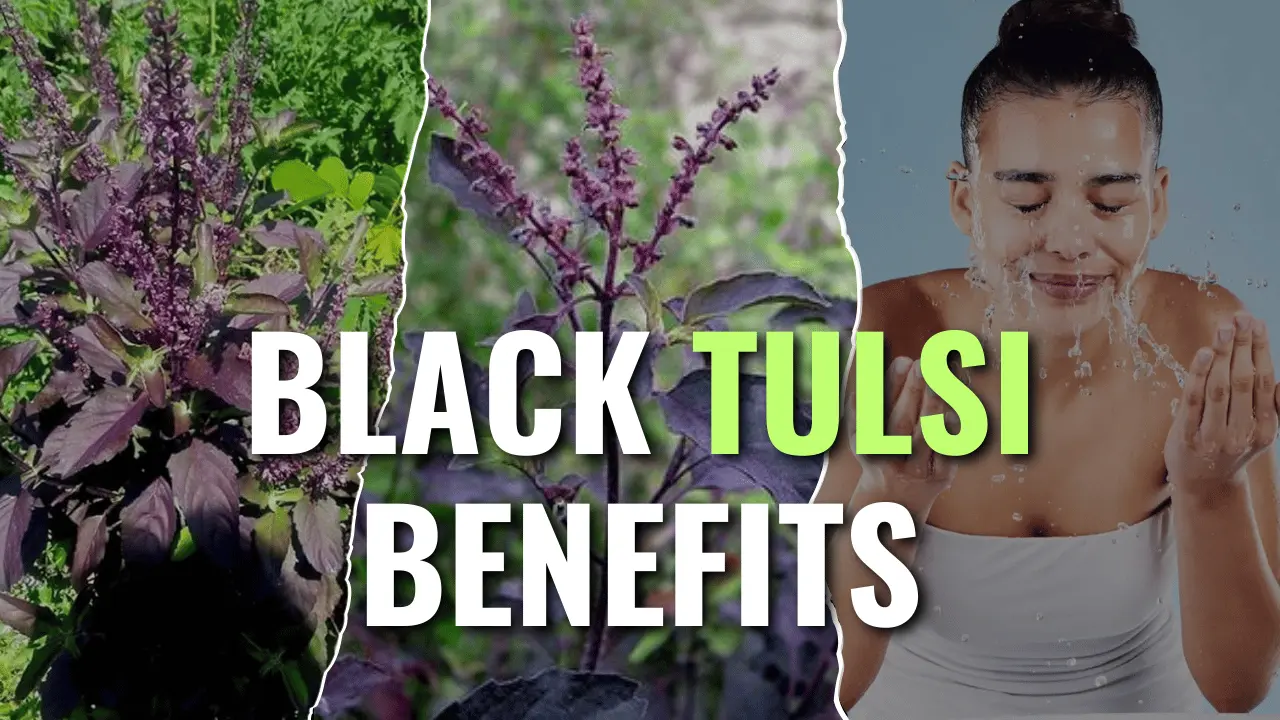

Tulsi is found in almost every Indian household, but not all Tulsi is the same. Among its varieties, Shyama Tulsi, also known as Krishna Tulsi or Black Tulsi, holds a special place in Ayurveda.
Unlike the more common green Tulsi, Shyama Tulsi has darker leaves, a stronger aroma, and a more intense taste. Ancient Ayurvedic texts describe it as more potent in action, especially for immunity, respiratory health, and stress-related conditions.
What Is Shyama Tulsi
Shyama Tulsi is a medicinal variety of holy basil with purplish-black leaves and stems. It grows well in Indian climates and has been used in Ayurveda, Siddha, and folk medicine for generations.
In Ayurveda, it is classified as:
- Rasa (taste): Katu and Tikta
- Guna (quality): Laghu and Ruksha
- Virya (potency): Ushna
These properties explain why it is especially effective for clearing congestion, balancing Kapha and Vata doshas, and improving overall resistance to disease.
Also Read: Indian Villages That Rejected Modern Technology
1. Strengthens Immunity Naturally
One of the most well-known benefits of Shyama Tulsi is its ability to strengthen the immune system.
The leaves contain powerful compounds like eugenol, ursolic acid, and antioxidants that help the body fight infections. Regular use supports the body’s natural defence mechanisms rather than forcing an artificial response.
Shyama Tulsi is traditionally consumed during seasonal changes when immunity tends to weaken. It helps the body adapt to weather shifts, pollution, and daily stress that often lower resistance.
2. Supports Respiratory Health
Shyama Tulsi is especially valued for respiratory issues such as cough, cold, asthma, and bronchitis.
Its warming nature helps loosen mucus and clear airways. Ayurveda describes it as a natural expectorant that supports smooth breathing and reduces chest congestion.
People living in polluted cities or humid climates often use Shyama Tulsi to support lung health and reduce recurring respiratory discomfort.
3. Helps Reduce Stress and Mental Fatigue
Modern life creates constant mental pressure, and Shyama Tulsi is known for its adaptogenic properties. This means it helps the body respond better to stress.
It supports balanced cortisol levels and promotes mental clarity without causing drowsiness. Unlike stimulants, it calms the nervous system while keeping the mind alert.
Ayurveda considers Shyama Tulsi beneficial for people experiencing anxiety, restlessness, or mental exhaustion caused by overwork.
4. Improves Digestion and Gut Health
Shyama Tulsi stimulates digestive fire, which helps the body digest food more efficiently.
It supports relief from bloating, gas, and mild stomach discomfort. Its antimicrobial nature also helps maintain a healthy gut environment by controlling harmful bacteria.
In traditional practice, Tulsi leaves were often consumed after heavy meals to support digestion and reduce heaviness.
Also Read: 5 Famous Rivers in India That Shaped Civilization, Culture And Curiosity
5. Supports Heart Health
Shyama Tulsi contributes to cardiovascular wellness by helping manage inflammation and oxidative stress.
It supports healthy blood circulation and may help regulate lipid levels when used as part of a balanced lifestyle. Its stress-reducing effects also indirectly benefit heart health, since chronic stress often affects cardiovascular function.
Ayurveda emphasizes prevention, and Shyama Tulsi is used as a daily herb rather than a crisis remedy.
6. Helps Regulate Blood Sugar Levels
Shyama Tulsi has traditionally been used to support balanced blood sugar levels.
It helps improve insulin sensitivity and supports better glucose metabolism. While it is not a replacement for medical treatment, it is often included in Ayurvedic routines for metabolic balance.
This benefit is particularly valued in Indian households where lifestyle-related conditions are increasingly common.
7. Natural Detox and Skin Support
Shyama Tulsi helps the body remove toxins by supporting liver function and improving circulation.
Clearer skin is often a side effect of better internal balance. Its antibacterial and anti-inflammatory properties also make it useful for minor skin issues when used externally.
Ayurveda believes skin health reflects internal health, and Shyama Tulsi works at that deeper level.
How Shyama Tulsi Is Traditionally Used
Shyama Tulsi is commonly used in simple, natural forms:
- Fresh leaves chewed in the morning
- Tulsi water prepared by soaking leaves
- Herbal tea made with leaves and spices
- Dried powder mixed with honey
Traditional use focuses on consistency rather than large quantities. The goal is balance, not intensity.
Also Read: Indian Towns That Are Vanishing Without Noise
Shyama Tulsi vs Regular Green Tulsi
While both are beneficial, Shyama Tulsi is considered more potent in certain aspects.
Green Tulsi is milder and suitable for daily general use. Shyama Tulsi has stronger warming properties and is preferred for respiratory, immunity, and stress-related benefits.
Ayurveda often recommends choosing the variety based on individual body type and need.
Why Shyama Tulsi Still Matters Today
Shyama Tulsi is not a trend or a modern supplement. It is a time-tested Indian herb that supports the body gently and holistically.
In an age of quick fixes, its strength lies in consistency and balance. It works with the body, not against it, and supports long-term wellness rather than temporary relief.
💡 Shyama Tulsi reminds us that some of the most powerful remedies grow quietly at home.

1 thought on “Black Tulsi Benefits Explained in Simple Words”