
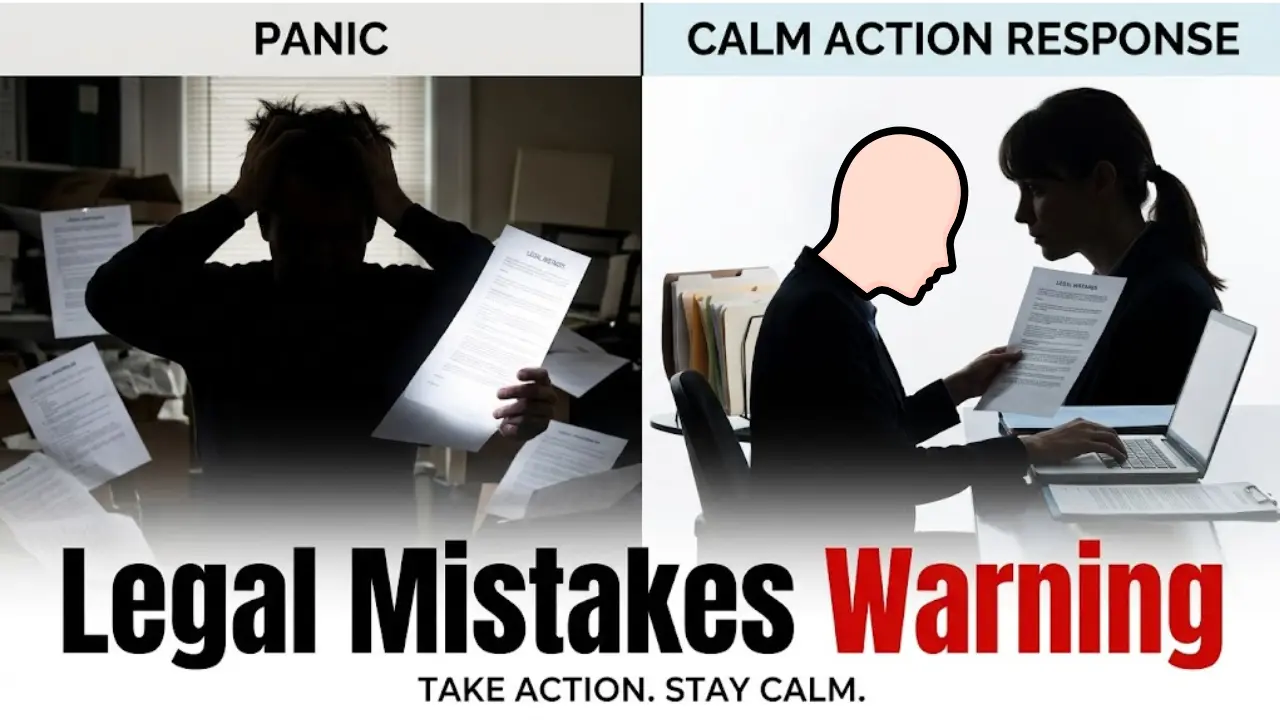

Receiving a court summons is a serious legal event, yet many individuals unknowingly make mistakes in the first few days that can negatively impact their case. These mistakes often stem from panic, misinformation or underestimating the importance of the document. Even small errors can lead to missed deadlines, weakened defences or automatic judgments.
Ignoring the Summons
One of the most damaging mistakes is simply ignoring the summons or postponing action. This often happens due to fear, confusion or the belief that the issue will resolve itself.
Why Ignoring a Summons Leads
Courts operate on strict timelines. Failing to respond within the specified period can result in a default judgment, where the court rules in favour of the opposing party without hearing the defence.
This means losing the opportunity to present any argument or evidence.
The Cost of Delayed Response
Even short delays can create complications. Preparing a proper response requires time and last-minute actions increase the risk of errors, incomplete filings or missed deadlines.
Taking prompt action ensures better control over the situation.
Not Reading the Summons Carefully
Many individuals skim through the document or misunderstand its contents, leading to incorrect assumptions about the case.
Missing Critical Details and Instructions
A summons contains essential information, including case type, court location and response requirements. Overlooking these details can lead to filing the wrong documents or responding incorrectly.
Every section of the summons serves a purpose and must be understood clearly.
Misinterpreting Legal Language
Legal terminology can be complex, but guessing or assuming meanings can result in serious mistakes. Misinterpretation may lead to incorrect responses or failure to comply with court instructions.
Careful reading and verification are essential to avoid confusion.
Failing to Verify the Authenticity
With the rise of legal scams, assuming every summons is genuine can be risky. Verification is a critical step that many people skip.
Risk of Responding to Fake Legal Notices
Scammers often create realistic-looking documents to trick individuals into sharing personal information or making payments. Responding without verification can lead to financial loss or identity theft.
How Skipping Verification Creates Bigger Problems
Acting on a fake summons wastes time and may expose sensitive information. Verifying authenticity through official court sources ensures that actions are based on legitimate legal requirements.
Providing Incomplete Information
Accuracy is essential when responding to a court summons. Errors or missing information can weaken a case significantly.
How Incomplete Responses Affect Legal Standing
Leaving out important details or failing to address claims properly can make the response ineffective. Courts rely on clear and complete information to evaluate cases.
Consequences of Incorrect Details
Mistakes such as wrong names, dates or case numbers can lead to confusion, delays or rejection of the response. Even minor errors can have larger implications.
Not Considering Legal Help
Some individuals avoid seeking legal advice due to cost concerns or overconfidence, even in complex cases.
When Self-Handling Becomes Risky
Cases involving significant financial stakes, legal complexity or unclear procedures often require professional guidance. Handling such cases without expertise increases risk.
Benefits of Early Legal Consultation
Consulting a lawyer early can clarify options, prevent mistakes and improve overall strategy. Even brief advice can make a significant difference.
Missing Deadlines or Filing Incorrectly
Deadlines and filing procedures are critical in legal processes. Errors in timing or submission can have serious consequences.
Impact of Missing Court Deadlines
Missing a deadline can result in losing the right to respond, leading to default judgment or other penalties.
Courts rarely overlook missed deadlines without valid justification.
Filing Errors That Lead to Rejection
Submitting documents incorrectly—whether through wrong format, missing signatures or incorrect channels—can result in rejection or delays.
Following court instructions precisely ensures acceptance.
Avoiding Mistakes Starts With Awareness
Most mistakes after receiving a court summons are preventable. They occur due to lack of awareness, rushed decisions or misunderstanding legal requirements.
By staying calm, reading carefully, verifying authenticity, and responding accurately, individuals can avoid common pitfalls and handle the situation effectively. The key is to approach the process with clarity, preparation and attention to detail rather than fear or delay.
Explore These Next Legal Insights
- What to Do First After Receiving a Court Summons
- What Happens If You Fill a Court Summons Wrong?
- Step-by-Step Court Summons Guide Most People Need in The USA
Frequently Asked Questions
What are the most common mistakes people make after receiving a court summons?
Common mistakes include ignoring the summons, missing deadlines, failing to verify authenticity, submitting incomplete responses and misunderstanding legal instructions.
Why is ignoring a court summons considered a serious mistake?
Ignoring a summons can result in a default judgment, where the court rules in favour of the opposing party without considering any defence or evidence.
How can misunderstanding a summons document cause legal issues?
Misinterpreting legal terms or instructions can lead to incorrect responses, missed deadlines or failure to comply with court requirements, increasing legal risk.
What happens if incorrect information is submitted in a summons response?
Incorrect details can cause delays, rejection of the response or weaken the defence, potentially affecting the outcome of the case.
How does missing a deadline affect a court summons case?
Missing a deadline can result in losing the opportunity to respond, often leading to default judgment or other unfavourable legal consequences.

2 thoughts on “6 Common Mistakes After Receiving a Court Summon”