
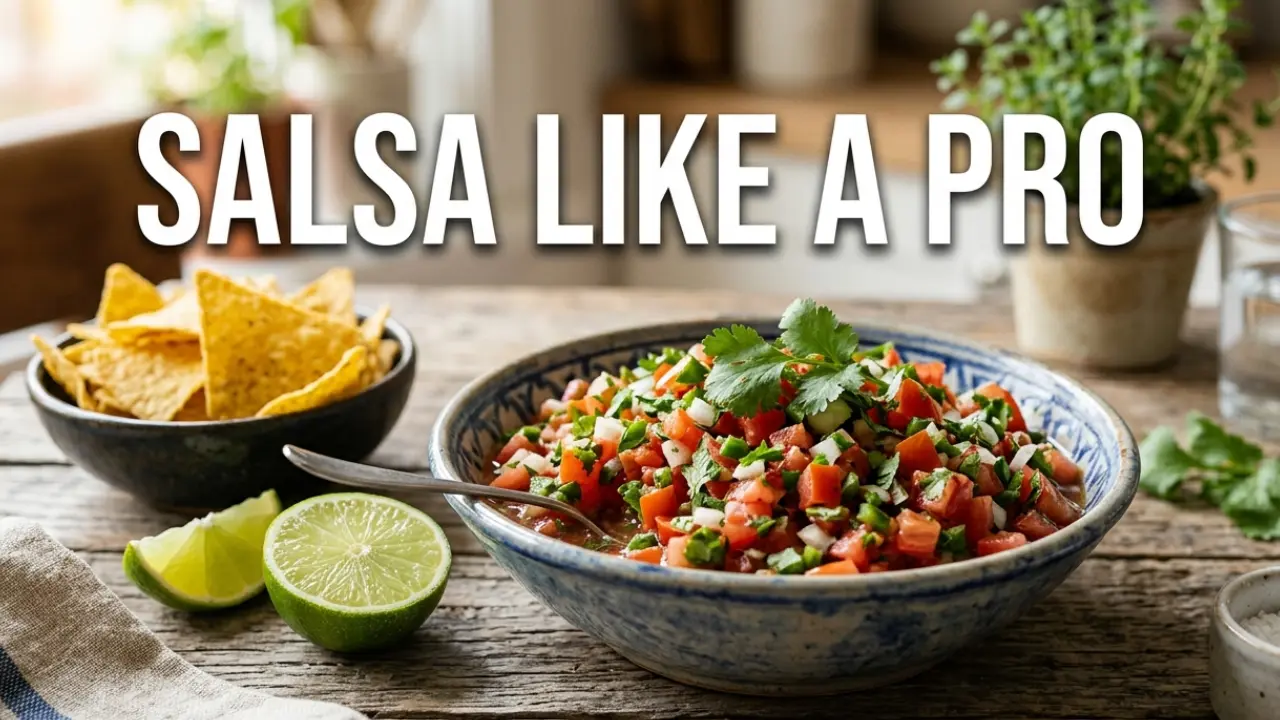

Fresh homemade salsa looks deceptively simple. Tomatoes, onions, chilies, lime and cilantro tossed together in a bowl hardly seem complicated enough to create the kind of bold flavour people crave at restaurants. Yet most homemade salsa disappoints for one frustrating reason: people focus only on ingredients while completely ignoring balance, texture, layering and freshness control.
Great salsa is not just chopped vegetables mixed together. It is a carefully balanced combination of acidity, sweetness, heat, aroma, moisture and texture that creates bright, addictive flavour in every bite.
The difference between average salsa and unforgettable salsa often comes down to a few small details many home cooks overlook. The type of tomato matters. The way onions are prepared matters. The timing of lime juice matters. Even the order in which ingredients are mixed changes the final taste more than most people realize.
Step 1: Choose Better Tomatoes
The foundation of fresh salsa starts with tomatoes, but this is exactly where many recipes fail. Most people grab any tomato available at the grocery store without considering water content, sweetness, firmness or acidity. The result is often thin, [watery salsa — How to Fix Watery Homemade Salsa] with weak flavour and poor texture.
Tomato Choice Changes Everything
Tomatoes contain varying levels of water and natural sugars. Large slicing tomatoes may look attractive but they often release too much liquid once chopped. That excess moisture dilutes every other ingredient in the bowl, making the salsa taste weak and soupy instead of vibrant and punchy.
Roma tomatoes are widely preferred for homemade salsa because they contain less water and more concentrated flavour. Their firmer flesh also helps maintain texture after mixing. Vine-ripened tomatoes work beautifully when fully mature because they provide natural sweetness and balanced acidity that elevate the salsa without additional sugar.
If tomatoes are out of season, cherry tomatoes can surprisingly outperform standard supermarket tomatoes. Their sweetness is usually more concentrated and they often produce brighter flavour overall. Mixing different tomato varieties can also create a more layered flavour with better balance between sweetness and acidity.
How to Pick Better Tomatoes
Look for tomatoes that feel heavy for their size and smell slightly sweet near the stem. Avoid tomatoes that feel overly soft, wrinkled or completely scentless. Aroma is one of the easiest indicators of flavour quality.
Colour also matters. Deep red tomatoes typically indicate better ripeness and fuller flavour. Pale tomatoes may look fine externally but often taste bland internally.
Remove Extra Water
One professional trick that dramatically improves salsa texture is removing some tomato seeds and inner liquid before chopping. You do not need to completely hollow out the tomatoes but reducing excess moisture helps concentrate flavour and prevents watery salsa later.
After dicing the tomatoes, lightly salt them and let them rest in a colander for about 10 minutes. This pulls out additional moisture while intensifying flavour naturally.
Step 2: Build a Flavour Base
Once the tomatoes are prepared correctly, the next layer involves aromatics. This is where salsa develops complexity and depth instead of tasting flat. The balance between onion, garlic and cilantro is what gives fresh salsa its signature brightness and layered flavour.
Soften Harsh Onion Flavour
Onion provides sharpness, crunch and contrast against the sweetness of tomatoes. White onions are commonly used in [restaurant-style salsa — Difference Between Restaurant Salsa and Homemade Salsa] because they deliver a cleaner, sharper bite than yellow onions. Red onions add sweetness and colour but can overpower delicate salsa flavours if used excessively.
The mistake many people make is adding raw onion directly into salsa without softening its harshness first. Freshly cut onions can dominate the bowl with aggressive sulfur flavour.
How Professionals Reduce Onion Harshness
A simple technique dramatically improves onion flavour in salsa. After dicing the onions, rinse them briefly under cold water and pat them dry. This removes some of the overly sharp compounds while preserving crunch and freshness.
Another effective method involves soaking diced onions in ice water for five to ten minutes before mixing them into the salsa. This creates cleaner flavour and smoother balance.
Garlic: Use Less Than You Think
Raw garlic becomes extremely powerful in fresh salsa. One clove often goes much further than expected. Instead of aggressively garlicky salsa, the goal is subtle depth underneath the brighter ingredients.
Finely mince or grate garlic to distribute it evenly throughout the salsa. Large chunks create unpleasant bursts of harsh flavour.
Freshness From Cilantro
Cilantro adds freshness that defines authentic salsa flavour. However, balance matters. Too little cilantro makes salsa taste incomplete, while too much creates an overpowering herbal profile that masks the tomatoes.
Use both cilantro leaves and tender stems because the stems contain enormous flavour. Chop them finely to distribute their brightness evenly.
Fresh cilantro should always be added near the end of preparation to preserve its aroma and colour.
Step 3: Control the Heat
Heat is one of the most misunderstood aspects of salsa making. Many people either avoid chilies entirely or throw them in without understanding how different peppers affect flavour, aroma and intensity.
Every Chili Tastes Different
Jalapeños provide fresh, grassy heat that works beautifully in classic salsa recipes. Serrano peppers deliver stronger heat with brighter intensity and less bitterness. Habaneros create fruity fire for people who enjoy aggressive spice.
The important lesson is that peppers contribute more than just heat. They shape the entire personality of the salsa.
Remove Seeds Strategically
Pepper seeds and inner membranes contain concentrated heat. Removing them creates milder salsa without losing pepper flavor entirely. Keeping some membranes while removing others allows you to control spice levels precisely.
This approach creates balanced salsa that tastes flavourful rather than painfully hot.
Roast Peppers for More Flavour
Fresh peppers create crisp brightness, while roasted peppers introduce smoky complexity. Lightly charring jalapeños or serranos over an open flame adds restaurant-style depth that makes salsa taste more sophisticated.
Roasted peppers also blend more smoothly into salsa if you prefer a less chunky texture.
Balancing Heat With Acidity
Strong salsa heat should never feel harsh or overwhelming. Lime juice helps soften aggressive spice while enhancing freshness at the same time. Salt also plays a critical role because it distributes heat more evenly across the palate.
Professional salsa makers understand that [heat without balance — How to Control Spice Levels in Homemade Salsa] quickly becomes exhausting to eat.
Step 4: Balance Lime and Salt
Many homemade salsa recipes fail because seasoning is treated as an afterthought. In reality, lime juice and salt are what transform chopped vegetables into true salsa.
Why Lime Juice Is Essential
Lime juice adds acidity that brightens every ingredient. Without enough acid, salsa tastes dull and heavy no matter how fresh the vegetables are.
Fresh lime juice is dramatically better than bottled alternatives because it contains aromatic oils and vibrant citrus notes that bottled products often lose during processing.
Lime also helps preserve colour and freshness, especially in tomato-heavy salsa.
Biggest Lime Juice Mistake
Too much lime overwhelms tomato flavour and creates sour salsa instead of balanced salsa. The goal is enhancement, not domination.
Start with a small amount, mix thoroughly and taste before adding more. Fresh salsa should taste lively and bright, not acidic and sharp.
Salt Is a Flavour Amplifier
Salt does much more than add saltiness. It intensifies tomato sweetness, balances acidity and unlocks hidden flavours within onions, peppers and cilantro.
One of the biggest differences between bland homemade salsa and restaurant salsa is proper salting.
Add salt gradually while tasting continuously. Salsa often needs slightly more salt than expected because tomatoes absorb seasoning heavily.
Let the Salsa Rest
Fresh salsa changes dramatically after sitting for 15 to 30 minutes. The tomatoes release juices, the onions soften slightly and flavours begin blending together.
Professional cooks almost always season salsa twice: once immediately after mixing and again after resting. This creates far more accurate flavour balance.
Step 5: Get the Right Texture
Texture completely changes how salsa feels and tastes. Some people prefer chunky pico-style salsa while others love smooth restaurant-style blends. Neither is wrong but intentional texture control matters enormously.
Why Texture Matters
Chunkier salsa emphasizes freshness and crunch. Smoother salsa distributes flavours more evenly and coats chips beautifully. Texture affects how quickly flavours hit the palate and how ingredients interact during eating.
Many homemade salsas become unpleasant because they accidentally land somewhere awkward in the middle — watery but chunky or blended but uneven.
Make Perfect Chunky Salsa
For chunkier salsa, cut ingredients uniformly so each bite remains balanced. Oversized onion pieces or giant tomato chunks create uneven flavour distribution.
Use a sharp knife instead of a [food processor — Should You Blend or Chop Salsa] whenever possible. Hand-cut ingredients preserve cleaner texture and reduce excess liquid release.
Create Smooth Restaurant-Style Salsa
Restaurant salsa often achieves smooth consistency by blending ingredients briefly instead of aggressively pureeing them. Pulse ingredients in short bursts to maintain slight texture while creating cohesive flavour.
Over-blending introduces too much air and turns salsa foamy or watery.
Adjusting Thickness Naturally
If salsa feels too watery, avoid adding tomato paste unless absolutely necessary because it changes the fresh flavour profile.
Instead, try:
- Draining tomatoes longer
- Adding extra diced tomato flesh
- Blending a small portion separately
- Letting salsa chill uncovered briefly
These methods preserve freshness while improving consistency.
Step 6: Let the Flavour Develop
One of the hardest parts of making fresh salsa is waiting. Freshly mixed salsa tastes good immediately but properly rested salsa tastes dramatically better.
Why Resting Improves Salsa
As salsa sits, salt penetrates vegetables, lime softens sharp edges, onion flavour mellows and tomato juices combine with seasonings into a unified mixture.
This resting period transforms disconnected ingredients into cohesive salsa.
Even 20 to 30 minutes makes a major difference.
Refrigeration and Flavour Development
Cold temperatures slightly mute flavour perception, which is why restaurant salsa often tastes stronger at room temperature than directly from the refrigerator.
For best results:
- Chill salsa for flavor blending
- Remove it 10 to 15 minutes before serving
- Stir thoroughly before serving again
This restores brightness and aroma.
How Long Fresh Salsa Lasts
Fresh salsa is best within the first 24 to 48 hours. After that, tomatoes soften excessively, cilantro darkens and onions become stronger.
Store salsa in airtight glass containers whenever possible because plastic containers may absorb odors and affect freshness.
Small Additions Before Serving
Professional cooks often refresh salsa right before serving with:
- Extra chopped cilantro
- Fresh lime squeeze
- Tiny pinch of salt
- Fresh diced tomato
These small finishing touches revive brightness and create freshly made flavour even after refrigeration.
What Makes Salsa Addictive
The reason restaurant salsa often feels impossible to replicate at home is not because restaurants use magical ingredients. They simply understand balance better. Every component has a specific role. Tomatoes provide sweetness and body. Lime creates brightness. Salt amplifies flavour. Onion adds contrast. Peppers build heat and complexity. Cilantro delivers freshness.
When even one element falls out of balance, the entire salsa suffers.
Homemade salsa becomes exceptional when you stop viewing it as a simple side dish and start treating it like a carefully layered flavour system. The best salsa feels bright but not acidic, spicy but not overwhelming, chunky but cohesive, fresh but deeply flavourful.
Once you master these six easy steps, homemade salsa stops being unpredictable. You gain full control over flavour, texture, heat and freshness every single time.
You May Also Enjoy These Related Recipes
- 9 Homemade Guacamole Mistakes That Ruin Flavour and Texture
- 7 Easy Taco Topping Ideas That Make Every Taco Taste Better
- 10 Authentic Mexican Side Dishes That Instantly Upgrade Dinner
