
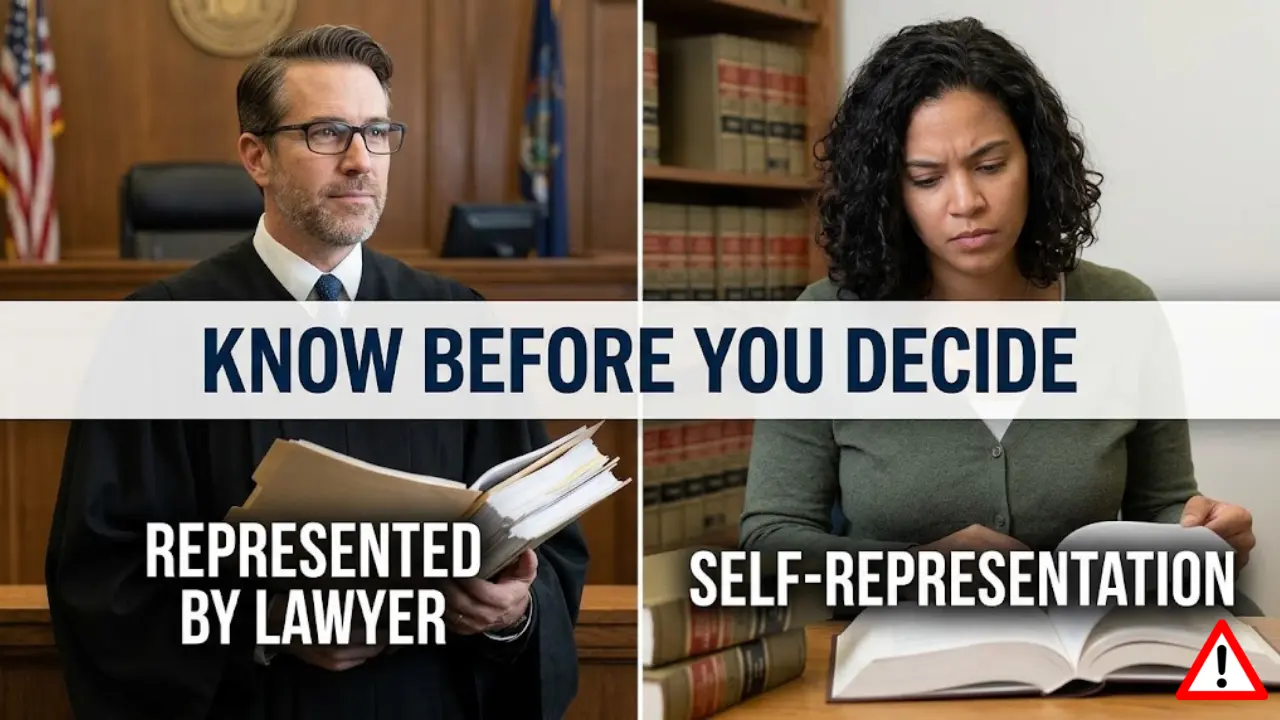

Receiving a court summons can feel overwhelming, especially if it is unexpected. The legal language, deadlines and uncertainty often lead to one immediate question: is hiring a lawyer necessary? The answer depends on several factors, including the type of case, its complexity and the potential consequences involved.
What a Court Summons Actually Requires
A court summons is not a punishment—it is a legal notice requiring a response or appearance. However, ignoring it can lead to serious consequences such as default judgments, fines or even warrants in certain cases.
The Legal Obligation to Respond
A summons typically outlines:
- The nature of the case
- The court handling the matter
- A deadline to respond or appear
Failing to respond does not make the issue disappear. Instead, it often results in the court ruling against the individual automatically, especially in civil cases.
Types of Cases That Use Summons
Court summons are used across different legal areas, including:
- Civil disputes (debt, contracts, property)
- Family matters (custody, divorce)
- Small claims cases
- Certain criminal proceedings
The type of case plays a major role in determining whether legal representation is necessary.
Situations For Hiring a Lawyer
While not every summons requires an attorney, some situations carry significant risk and should not be handled without professional legal support.
When the Case Involves Criminal Charges
If a summons is related to a criminal matter, legal representation is highly recommended. Criminal cases can involve penalties such as fines, probation or imprisonment, making professional defence critical.
A lawyer understands procedural rights, evidence handling and defence strategies that can significantly affect the outcome.
When Legal Consequences Are High
Civil cases involving large sums of money, property disputes or complex contracts often require legal expertise. Mistakes in responding to such cases can result in financial loss or long-term legal complications.
An attorney can:
- Analyze the claim
- Build a defense strategy
- Represent interests effectively in court
Situations Lawyer May Not Needed
Not every court summons demands legal representation. In some cases, individuals can handle the matter independently if the situation is straightforward.
Small Claims and Minor Disputes
Small claims courts are designed to be accessible without attorneys. These cases typically involve limited financial amounts and simplified procedures.
With proper preparation and understanding of the claim, individuals can present their case effectively without legal assistance.
When the Case Is Clear
If the facts are straightforward and supported by clear evidence, responding without a lawyer may be feasible. However, careful attention must still be paid to deadlines and proper documentation.
Even in simple cases, understanding legal procedures is essential to avoid procedural errors.
Risks of Without Legal Help
Choosing not to hire a lawyer can save money upfront, but it may increase risk if the case is misunderstood or mishandled.
Misinterpreting Legal Language
Legal documents often contain complex terminology and strict timelines. Misunderstanding these details can lead to missed deadlines or incorrect responses.
Such mistakes can result in automatic rulings against the individual, regardless of the actual merits of the case.
Incomplete Response
Without legal training, it can be difficult to identify strong arguments, relevant laws or proper documentation. This can weaken the overall position in court.
A poorly structured response may reduce the chances of a favourable outcome.
Cost vs Benefit
One of the biggest concerns is cost. Legal representation can be expensive, but the value depends on what is at stake.
Comparing Legal Fees
If the case involves significant financial risk or long-term consequences, hiring a lawyer can prevent larger losses. Legal fees should be viewed in the context of potential outcomes.
Free Legal Options
For those concerned about affordability, options may include:
- Legal aid organizations
- Pro bono services
- Free consultations
These resources can provide guidance without high upfront costs.
Smart Steps to Take
Taking the right steps early can make a significant difference, regardless of whether a lawyer is hired.
Verify the Authenticity of the Summons
Before taking action, ensure the summons is legitimate by checking official court records or contacting the court directly using verified information.
Respond Promptly
Always respond within the specified deadline and maintain copies of all documents, communications and evidence related to the case.
Timely and organized action demonstrates responsibility and strengthens credibility in court.
Clarity Over Panic
A court summons does not automatically mean a lawyer is required, but it does demand careful evaluation. The decision should be based on the complexity of the case, potential consequences and personal ability to handle legal procedures.
In high-risk situations, legal representation is often the safest choice. In simpler cases, informed self-representation may be sufficient. The key is to avoid panic, verify facts and take deliberate, informed steps.
Explore These Next Legal Insights
- Step-by-Step Court Summons Guide Most People Need in The USA
- 6 Warning Signs of a Fake Court Summons in the USA
- How to Check If a Court Summons Is Real or Fake
Frequently Asked Questions
What does receiving a court summons legally require in the United States?
A court summons legally requires a timely response or court appearance and ignoring it can result in default judgments, penalties or additional legal consequences depending on the case type.
Is hiring a lawyer mandatory after receiving a court summons?
Hiring a lawyer is not always mandatory, but it is strongly recommended in complex, high-risk or criminal cases where legal expertise can significantly impact the outcome.
What types of court summons cases require legal representation the most?
Cases involving criminal charges, large financial disputes, family law issues or complex contracts typically require legal representation due to higher risks and procedural complexity.
Can a court summons be handled without a lawyer in small claims cases?
Small claims cases are designed for self-representation, allowing individuals to present their case without a lawyer if the issue is straightforward and well-documented.
What happens if a response to a court summons is delayed or missed?
Failing to respond within the required timeframe can lead to default judgments, meaning the court may rule against the individual without considering their side.

1 thought on “Do You Need a Lawyer for a Court Summons Case?”