
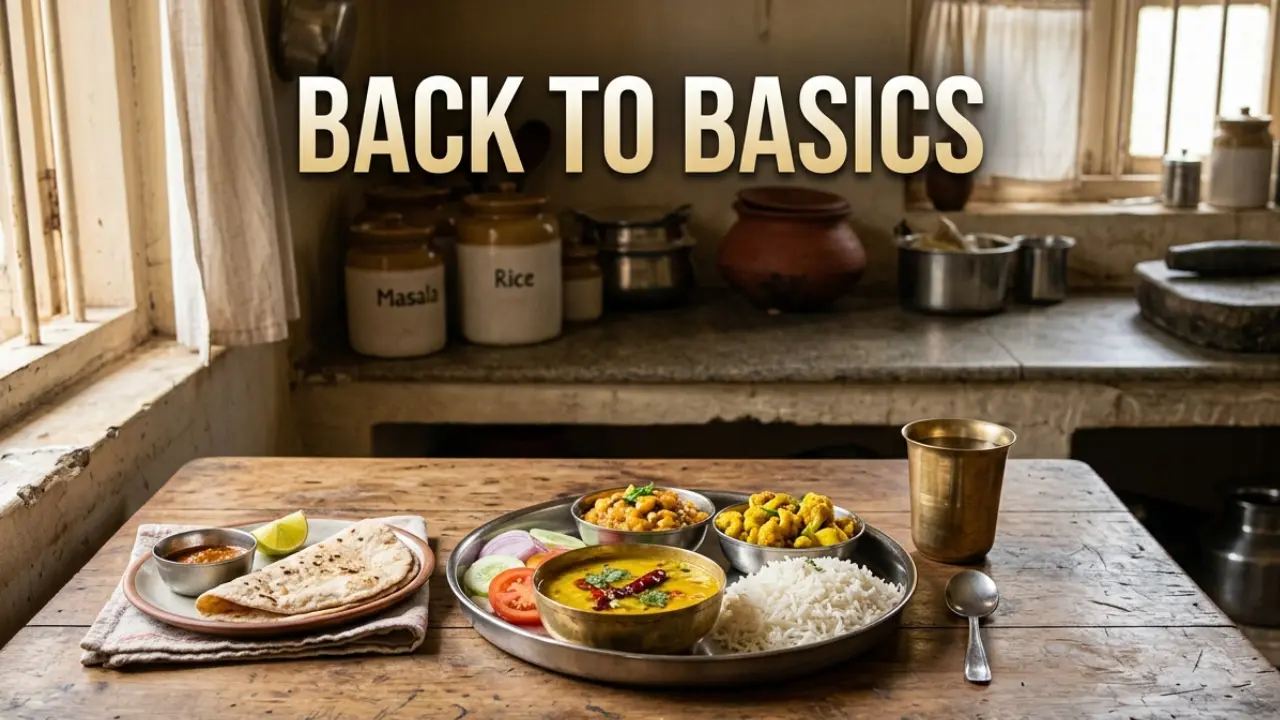

Cooking is quietly coming back into everyday life across India and it is happening without much noise. This shift is not about elaborate recipes or time-consuming preparation. It is about something simpler and more consistent, meals that feel familiar, steady and easy to return to even on busy days.
In many homes, everyday dishes like dal-rice, roti-sabzi, curd rice, poha, upma and khichdi are finding their place again in daily routines. These meals are not new but the way people are returning to them reflects a change in priorities. Convenience alone is no longer the main factor guiding food choices.
For many, ordering food began to feel less like a helpful option and more like something that reduced control over what they eat and how they feel. The shift back to home cooking is not only about taste or habit. It is connected to a desire for balance, awareness and a more grounded way of living.
Why now feels different
Life in 2026 feels faster, more expensive and mentally heavier than before. Food delivery still solves immediate problems but frequent ordering often stretches budgets and leaves people feeling physically off. Conversations around digestion, acidity, fatigue, sleep and sugar cravings are becoming more common in Indian households. A simple home meal offers a quiet reset without requiring strict diets or expensive health routines. It fits into busy lives without asking for perfection.
Control matters more now
The strongest reason behind this return is not tradition but control. At home, people decide how much oil goes into a sabzi, how light the dal should be and whether dinner needs to be comforting or minimal. This flexibility matters in households where children, working adults and elderly family members all have different needs. Meals can be adjusted naturally, without turning food into a complicated health plan. That simplicity makes home cooking sustainable.
Small choices that change everything
- Using less oil without compromising taste
- Adjusting spice levels based on the day
- Choosing lighter dinners after heavy lunches
- Including curd or buttermilk for digestion
- Reducing packaged or overly processed ingredients
- Choosing seasonal vegetables instead of expensive imported foods
- Reusing leftovers safely instead of wasting food
These are small decisions, but over time they shape how the body feels and how the household functions.
Simple food feels better
There is something deeply satisfying about food that is not designed to impress. A bowl of dal with rice, curd on the side and a small portion of pickle can feel more complete than a rich, late-night order. The body often responds better to simplicity even if the mind craves variety. Home food tends to leave people feeling settled rather than overloaded. In a culture where food is emotional, this kind of comfort matters more than presentation.
We already knew how to eat well
Long before modern wellness trends, Indian meals were built around balance. Dal brings protein and warmth, rice or roti provides energy, sabzi adds fibre and curd supports digestion. Regional meals have followed this pattern for generations, whether it is curd rice in the South, dal-chawal in the North, khichdi in Gujarat or pakhala in Odisha. These are not new ideas presented as trends; they are systems that have quietly worked over time. The value is that these meals are familiar, affordable and adaptable across income levels.
Seasonal food is making sense again
Another reason home cooking feels more meaningful is the return of seasonal eating. Indian kitchens have always adjusted with the weather, even before people used the language of wellness. Summer meals often become lighter with curd rice, chaas, cucumber, lemon and watery vegetables, while winter plates naturally include methi, carrots, saag, bajra, til and warm dals. Seasonal food usually tastes better, costs less and fits the body’s needs more naturally. In 2026, many households are rediscovering this wisdom not as a trend but as common sense.
It was never about cooking
Most people do not avoid home cooking because they dislike it. They avoid the effort of planning, chopping, cleaning and deciding what to make every day. Once that mental load is reduced, cooking becomes easier to return to. The key is not complexity but repeatability. A kitchen that supports simple routines is more useful than one filled with ambitious recipes that rarely happen.
Making it easier at home
- Cooking one basic dal for two meals
- Using leftover rice for lemon rice or curd rice
- Turning extra sabzi into paratha filling
- Keeping chutneys or pickles ready for quick meals
- Relying on pressure cooking for speed
- Washing and storing greens properly for weekday use
- Keeping roasted peanuts, chana or makhana for quick snacks
These habits reduce decision fatigue and make the kitchen feel manageable.
A new way younger people cook
For many young professionals, students and newly married couples, home cooking is no longer about perfection. It is about building a few reliable meals that can be repeated without stress. Poha for breakfast, dal-rice for dinner and a simple roti-sabzi combination can create enough structure for the week. Once these basics become familiar, cooking stops feeling like a burden and starts feeling like independence. It also gives younger people confidence that they can care for themselves without always outsourcing the basics.
Also Read: Slow Mornings in India: Ways to Improve Mental Well-Being
It also saves more than expected
Regular food delivery often includes hidden costs that add up over time. Taxes, packaging fees and add-ons can quietly increase monthly spending. Cooking at home, even a few more times a week, makes food expenses more predictable. For many urban Indians, this is not about cutting back but about feeling more intentional with money. In a time where costs are rising that clarity brings relief.
Less waste more awareness
Simple cooking often makes households more aware of what they already have. Vegetables are used before they spoil, leftover dal becomes part of the next meal and excess rice is turned into something fresh instead of being thrown away. This kind of waste reduction does not need a big sustainability campaign to feel meaningful. It begins with small kitchen decisions that save money and respect food. In Indian homes, where food has always carried emotional and cultural value, wasting less feels quietly satisfying.
Eating together again
In many households, people live around different schedules and screens. A simple home-cooked dinner creates a small opportunity to sit together, even if only for a short time. The food itself does not have to be special for the moment to matter. Sometimes, the value lies in the pause it creates. It brings a sense of togetherness that often gets lost in busy routines.
What children learn from this
When children regularly see vegetables, dals, fruits, curd and homemade snacks at the table, these foods become familiar rather than forced. They begin to understand food as nourishment, not just entertainment. Watching adults cook and eat simple meals also shapes their perception of everyday life. These habits stay with them far beyond childhood. A child who grows up seeing normal food respected is less likely to see healthy eating as punishment.
Quiet care for elders
Home cooking allows meals to be adjusted gently for older family members. Food can be softened, lightly spiced or modified without making anyone feel separate. Khichdi, thin dal, soft vegetables and curd-based meals can be included naturally in the family routine. This keeps food inclusive, which is as important emotionally as it is physically. In many Indian homes, care is often expressed through these quiet adjustments rather than grand gestures.
A practical 2026 home-food rhythm
A realistic weekly rhythm can make the habit easier to maintain. Breakfast can stay simple with poha, upma, eggs, dosa batter, paratha or fruit with curd. Lunch can rely on dal, rice, roti, sabzi, curd or leftovers packed smartly. Dinner can be lighter with khichdi, soup-style dal, curd rice, vegetable pulao or roti with a quick sabzi. This kind of rhythm removes the pressure to invent something new every day. It makes cooking feel like a dependable system, not a daily test.
It does not have to be perfect
There will always be days when cooking does not happen. Busy schedules, fatigue or unexpected plans can lead to ordering food or relying on quick fixes like instant meals. That does not break the habit. A sustainable routine allows flexibility. Even one homemade meal a day can shift how the body feels and reduce dependence on outside food.
A quiet shift that makes sense
What is happening in 2026 is not a dramatic movement but a quiet correction. Indian households are not rejecting convenience; they are redefining it. Simple home-cooked meals offer health, financial balance, emotional comfort, cultural continuity and everyday control in a way that feels natural. A plate of dal-rice or roti-sabzi may look ordinary but for many, it is becoming one of the most reliable forms of everyday self-care. In a fast-moving India, ordinary food is quietly proving its worth again.
