
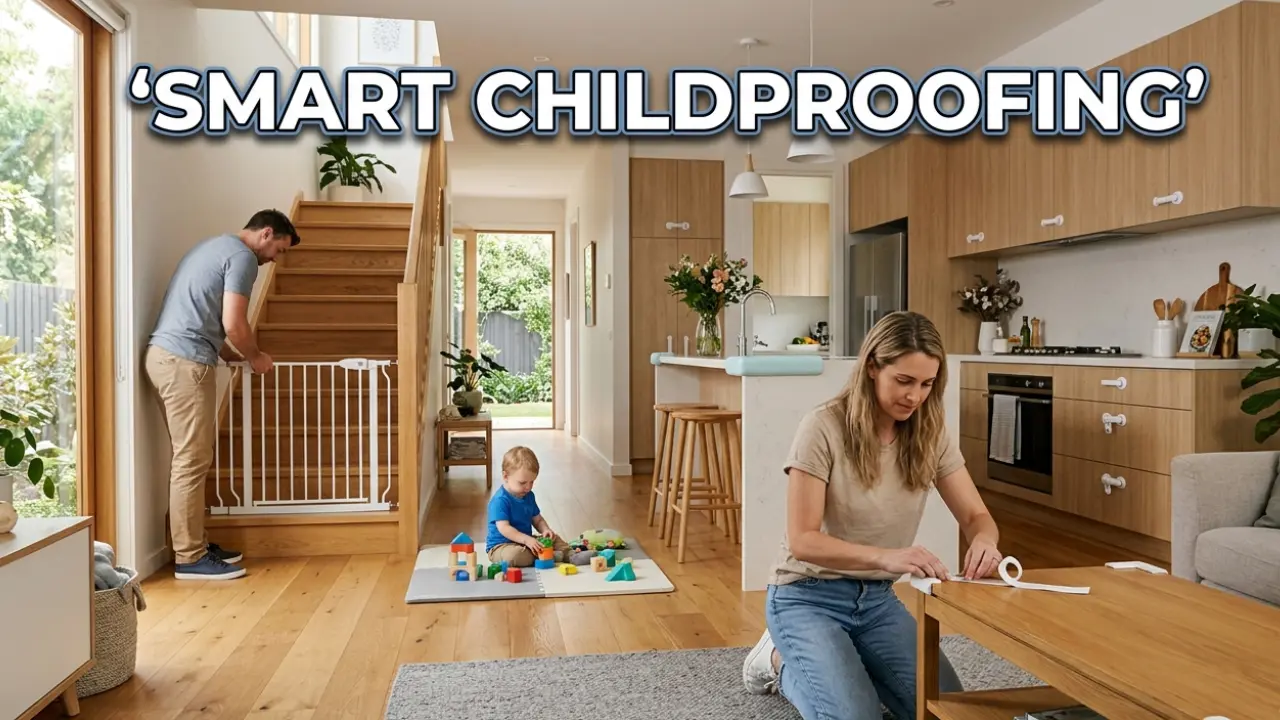

Most parents think childproofing means buying a few outlet covers, installing a baby gate near the stairs and calling it done. But real childproofing goes much deeper than that. Children are naturally curious. They learn by touching, climbing, opening, pulling, tasting and testing everything around them. What looks harmless to an adult can quickly become dangerous when seen through a toddler’s eyes.
A properly childproofed home is not about turning the house into a restrictive environment where children cannot move freely. It is about creating a space where they can safely explore, learn and grow without constantly being one step away from injury. Good childproofing reduces stress for parents while also giving children safer independence.
The most effective approach is to think ahead. Children develop new skills incredibly fast. One week they cannot reach the table and the next week they are climbing onto countertops. A safe home is never a one-time project. It evolves with your child’s age, strength, curiosity and mobility, which is why understanding can help parents prepare before risks appear.
Also Read: Does Your Subconscious Mind Really Remember Everything?
QUICK HOME SAFETY CHECKLIST
| Area | Common Risk | Safety Fix |
|---|---|---|
| Kitchen | Hot surfaces, knives | Cabinet locks, safe storage |
| Bathroom | Slippery floors, medicine | Non-slip mats, locked cabinets |
| Living Room | Sharp corners, tipping furniture | Corner guards, anchors |
| Bedroom | Cords, small objects | Declutter and secure items |
| Stairs | Falls | Safety gates |
See Your Home Through a Child’s Eyes
Before buying safety products the smartest thing you can do is physically lower yourself to a child’s level and move through your house room by room. Crawl on the floor if necessary. You will immediately notice dangers that adults normally ignore.
At floor level, electrical outlets suddenly become fascinating objects. Loose cords look like toys. Table corners sit exactly at forehead height. Decorative items become grab-and-pull targets. Small forgotten objects under furniture become choking hazards.
Children do not understand danger. They only understand curiosity. If something is colourful, shiny, hanging, noisy or easy to grab, they will want it.
Pay attention to:
- Sharp edges
- Hanging cords
- Unstable furniture
- Open cabinets
- Tiny objects on the floor
- Reachable chemicals
- Hot surfaces
- Heavy decorations
- Climbable furniture
This process often surprises parents because many hazards are hiding in plain sight. Something as simple as a coffee mug near a table edge or a loose phone charger can become risky when a child starts walking. These are the kinds of [hidden household dangers parents often overlook — Hidden Household Dangers Most Parents Ignore Until It’s Too Late] until a close call happens.
The goal is not perfection. The goal is reducing preventable risks before accidents happen.
Secure Heavy Furniture First
One of the most overlooked dangers in homes is furniture tip-overs. Many serious injuries happen because children try to climb dressers, shelves or TV stands.
Toddlers love climbing because they are learning balance and independence. If they see a remote, toy or object on top of furniture, they often attempt to climb to reach it. Heavy furniture can fall forward surprisingly fast.
Every tall or heavy piece of furniture should be anchored to the wall.
This includes:
- Dressers
- Bookshelves
- TV units
- Storage cabinets
- Standing mirrors
Modern anti-tip kits are inexpensive and easy to install but many families delay this step because the danger feels unlikely. Unfortunately, accidents involving furniture falls happen quietly and quickly.
Another important habit is avoiding temptation. Do not place toys, snacks, remotes or attractive decorations on top shelves where children feel encouraged to climb.
Even drawers themselves can become “stairs” when toddlers pull them open one by one.
Create Safe Boundaries
Falls are one of the most common childhood injuries at home. A single staircase becomes extremely dangerous once babies start crawling or walking.
Install sturdy safety gates:
- At the top of stairs
- At the bottom of stairs
- In rooms with hazards if necessary
For the top of stairs, hardware-mounted gates are safest because pressure-mounted gates can shift or collapse under force.
But stairs are only one part of fall prevention.
Windows are another major concern. Children can climb onto furniture near windows faster than parents expect. Move beds, chairs and toy boxes away from windows and install guards or stops where appropriate.
Bathrooms also deserve attention because slippery surfaces create frequent fall risks. Non-slip mats and keeping floors dry make a major difference.
Many parents underestimate how quickly mobility develops. A baby who barely crawls today may attempt climbing tomorrow.
Lock Away Dangerous Items
Children are incredibly determined when something interests them. Simply placing dangerous items “higher up” is usually not enough.
Cabinet locks and secure storage systems are essential for:
- Cleaning supplies
- Detergent pods
- Medications
- Vitamins
- Alcohol
- Sharp tools
- Batteries
- Matches
- Lighters
Laundry detergent pods deserve special attention because their bright colors can look like candy to young children.
Button batteries are another hidden danger. These small batteries are found in remotes, toys, watches and key fobs. If swallowed, they can cause severe internal injuries within hours.
Many poison-related accidents happen during moments when parents believe a child is safely occupied. Children move quietly when curious. That is why prevention matters more than reaction.
Make the Kitchen Safer
The kitchen is one of the busiest and most dangerous areas in the home. It combines heat, sharp objects, electricity, chemicals and choking hazards all in one place.
One of the easiest safety habits is turning pot handles inward while cooking. A child tugging a dangling handle can pull boiling liquids onto themselves in seconds.
Other important kitchen safety habits include:
- Keeping knives locked away
- Using stove knob covers
- Storing glass items securely
- Unplugging appliances when not in use
- Keeping hot drinks away from edges
- Avoiding hanging tablecloths
- Securing appliance cords
Hot beverages are a surprisingly common source of burns. Adults often place coffee or tea near the edge of tables without realizing toddlers can grab them.
Trash cans also become attractive targets because children love opening lids and exploring hidden spaces. Childproof locks or hidden bins help reduce risk.
The kitchen should remain functional, but dangerous areas must become harder for children to access independently.
Electrical Safety
Outlet covers are important but electrical safety involves much more than that.
Children are fascinated by cords because they move, dangle and often lead to interesting objects. Chargers, extension cords and power strips quickly become play items if left exposed.
Good electrical safety includes:
- Covering unused outlets
- Securing loose wires
- Hiding power strips
- Keeping chargers out of reach
- Avoiding overloaded outlets
- Replacing damaged cords immediately
Window blind cords are especially dangerous because they create strangulation risks. Cordless blinds are the safest option but cord holders and wraps also help reduce danger.
Many parents focus heavily on visible hazards while ignoring cords hidden behind furniture. A curious toddler will often search exactly where adults assume they will not.
Watch for Choking Hazards
Young children explore with their mouths. Anything small enough to fit inside can become dangerous.
The difficult part about choking hazards is that they are everywhere:
- Coins
- Buttons
- Small toy parts
- Batteries
- Jewelry
- Marbles
- Nuts
- Hard candy
- Pen caps
- Pet food
Even homes that appear clean may contain hidden small objects under couches or beds.
A simple rule many parents follow is the toilet paper roll test. If an object fits through the roll, it may pose a choking risk for young children.
Food safety also matters. Some foods are more dangerous than parents realize, especially for toddlers still learning how to chew properly.
Common risky foods include:
- Whole grapes
- Popcorn
- Hot dog slices
- Hard candy
- Large chunks of raw vegetables
Cutting food into smaller pieces and supervising meals reduces risk significantly.
Bathroom Safety
Bathrooms combine water, slippery surfaces, medicine cabinets and electrical devices in one small area.
Even shallow water can become dangerous for infants and toddlers. A child should never be left alone in a bathtub, not even briefly.
Bathroom safety basics include:
- Lowering water heater temperature
- Using non-slip bath mats
- Locking medicine cabinets
- Storing razors securely
- Unplugging hair tools immediately
- Keeping toilets closed or locked if necessary
Many burns happen because water heaters are set too high. Lower temperatures help prevent accidental scalding.
Children are also naturally attracted to flushing toilets, running faucets and shiny bathroom products. What feels ordinary to adults feels exciting to them.
Safe Sleeping Environment
Sleep safety changes as children grow.
For infants, the sleeping environment should remain simple and uncluttered. Soft pillows, loose blankets and stuffed toys may look cozy, but they can create unnecessary risks for babies.
Safe infant sleep typically includes:
- A firm mattress
- Properly fitted sheets
- No loose bedding
- No heavy blankets
- No crib bumpers
As children become older and more active, new concerns appear. Toddlers may attempt climbing out of cribs. Older children may jump on beds or climb furniture nearby.
Position baby monitors safely so cords remain completely out of reach.
The sleeping area should feel calm, secure and hazard-free.
Fire and Emergency Safety
Many families focus heavily on daily hazards while forgetting emergency preparation.
Every home should have:
- Working smoke detectors
- Carbon monoxide alarms
- Fire extinguishers
- Emergency contacts easily accessible
- Planned escape routes
Test alarms regularly instead of assuming they work.
Children should gradually learn simple emergency habits, such as recognizing smoke alarms and understanding basic evacuation routines.
Emergencies are stressful enough without confusion or lack of preparation.
Childproofing Changes as Children Grow
One of the biggest mistakes parents make is treating childproofing as a one-time task. In reality, children constantly develop new abilities.
A baby who cannot crawl today may suddenly start pulling themselves upright next month. A toddler who cannot open doors today may learn tomorrow simply by watching adults repeatedly.
Different stages require different safety priorities.
Infant Stage
Main concerns:
- Safe sleep
- Falling objects
- Choking hazards
- Basic supervision
Crawling Stage
Main concerns:
- Stairs
- Outlets
- Sharp corners
- Reachable cabinets
Toddler Stage
Main concerns:
- Climbing
- Opening doors
- Water access
- Kitchen dangers
- Furniture tip-overs
At this stage, it also helps to create [a safe play area for toddlers — How to Create a Safe Play Area for Toddlers Without Spending a Fortune] so children have a space where exploration feels natural without constant correction.
Older Children
Main concerns:
- Independence
- Internet/device safety
- Outdoor safety
- Tool access
- Learning responsibility
Childproofing evolves alongside development.
Hidden Dangers Matter Most
Some hazards receive less attention because they are not obvious.
For example:
- Blind cords
- Furniture tip-overs
- Button batteries
- Hot drinks
- Laundry pods
- Open water buckets
- Unsecured windows
These dangers often exist silently in normal households.
Parents sometimes focus on dramatic dangers while ignoring everyday situations that cause injuries more frequently.
Awareness changes everything.
Teach Safety Early
Safety devices help but eventually children need guidance and boundaries too.
Over time, teach children:
- What is hot
- What is sharp
- What should not be touched
- Why rules exist
- How to ask for help
The goal is not raising fearful children. The goal is helping them understand safety gradually and confidently.
Children learn by watching adults. Safe habits become more powerful when consistently modelled.
If adults leave hot drinks near edges, forget cabinet locks or ignore unsafe behaviour, children absorb those patterns.
Consistency matters more than perfection.
A Safer Home Creates More Peace
A properly childproofed home does not just protect children physically. It also reduces stress and constant anxiety for parents.
When major hazards are reduced, parents spend less time saying “don’t touch that” every few seconds and more time actually enjoying daily life with their children.
No house can ever become 100% risk-free. Children are energetic, unpredictable and constantly learning. But thoughtful preparation dramatically lowers the chance of serious injuries.
The best childproofing strategy is not about buying the most expensive gadgets. It is about awareness, prevention, consistency and adapting your home as your child grows.
Disclaimer: This article provides general child safety information and should not replace professional medical advice, pediatric guidance or certified home safety recommendations. For specialized concerns involving infants, disabilities, home construction or medical conditions, consult qualified professionals.

1 thought on “How to Childproof a House”